People don’t grow out of fear.
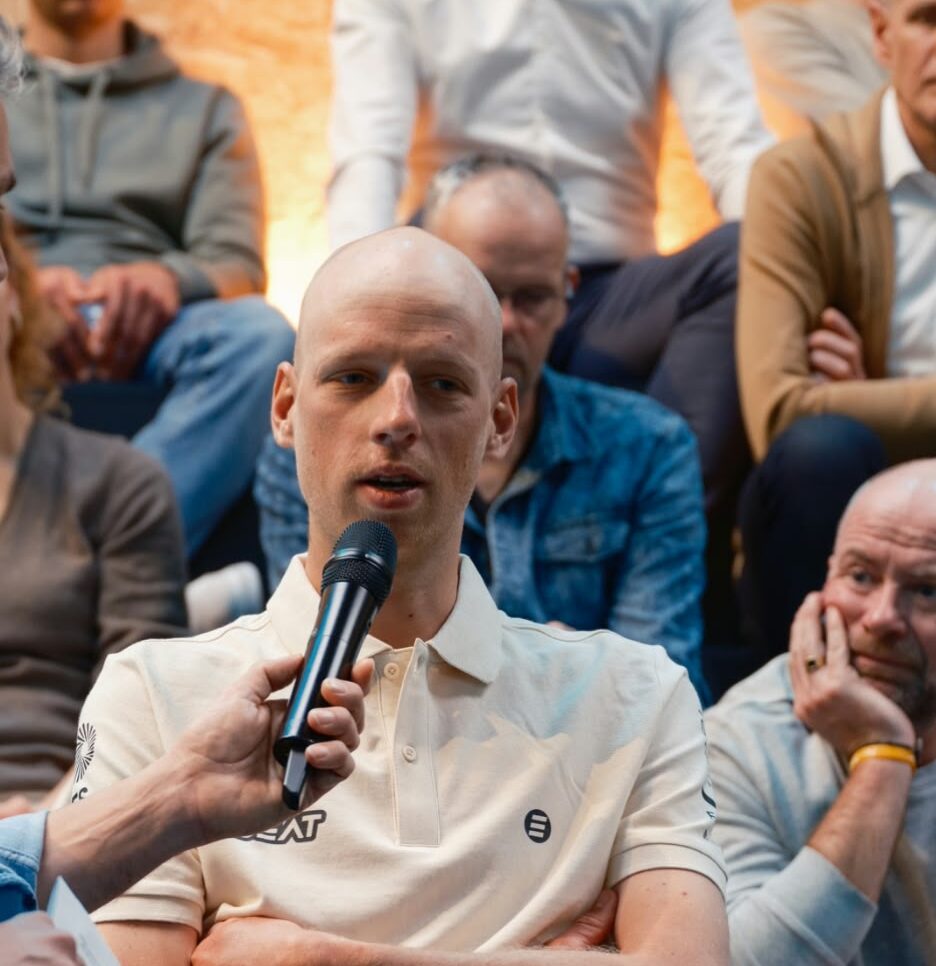
Last week, NOS published its report and the podcast series In de Waaier released its episodes on the culture of fear at Team Picnic PostNL, formerly Team DSM. In them, I share my story.
Let me take you back to 2025. I had just left Team DSM. I wanted to look ahead, but I noticed how much the previous years were still affecting me. I often felt anxious and sad. During that same period I was studying psychology and reading about psychological safety. I decided this was a topic I wanted to make an impact on.
Since then, I’ve been trying to do exactly that as a sports psychologist at BEAT Cycling Club. And precisely because I want to make an impact on this, I didn’t hesitate when journalist Nando Boers asked me to tell my story on camera.
The investigation shows how damaging a culture can be when people don’t feel safe to speak up, ask questions or make mistakes.
That leads to the important follow-up question: how do we build organisations where people do feel safe?
For me, there are five conditions:
1. Connection and genuine interest
Get to know the person behind the athlete or employee. Only when someone feels seen as a person is there room for openness, vulnerability and honest feedback. Safety starts with genuine curiosity and real attention.
2. Realise that you hold someone’s dream in your hands
Coaches and leaders often have influence over something people have worked towards for years: their dream. That dependency makes it hard to always speak up. That’s why safety has to be actively created, and openness has to be visibly valued.
3. Trust over control
People develop best when they can share their opinion, ask questions and make mistakes without fear of negative consequences. Trust fosters ownership, engagement and growth.
4. Clear communication, with a focus on behaviour
Explain decisions, make expectations clear, and judge behaviour, not the person.
5. Vulnerability and development at the core
Leaders who dare to admit mistakes and are open to feedback set the right example. A culture where learning matters more than blaming doesn’t just improve wellbeing. In the end, it also leads to better performance.
I hope the attention we’re seeing now doesn’t stop at a discussion about one team, but leads to a broader conversation about leadership, safety and culture, in elite sport and beyond. Because in the end, people don’t grow out of fear.
They grow best out of trust.
Mental wellbeing shouldn’t be an afterthought. A safe working environment is the very foundation for sustainable development and sustainable performance.